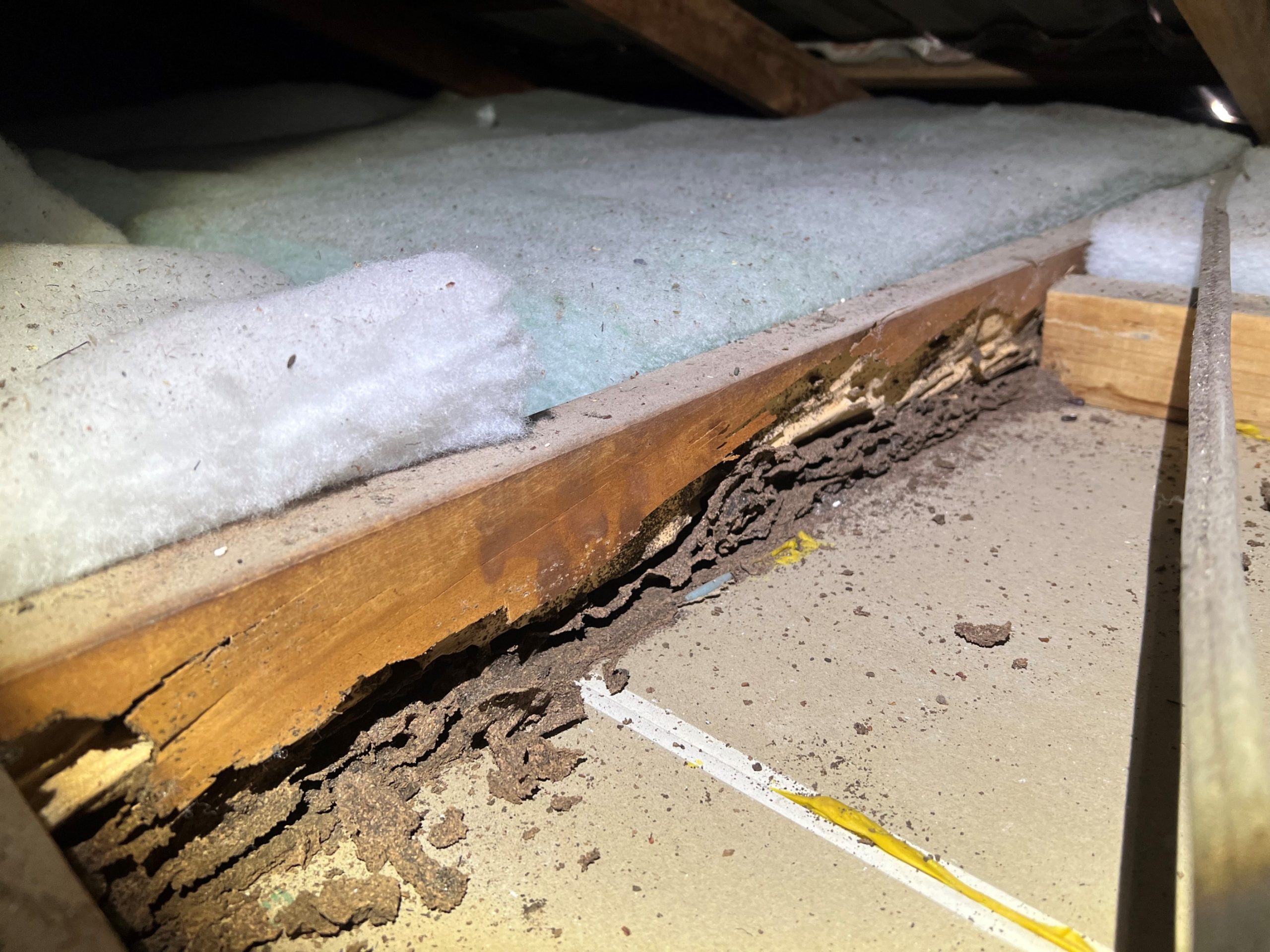
Welcome to our comprehensive guide on how to spot signs of pest infestation in your home. Dealing with pests can be a frustrating and unpleasant experience, but early detection is key to preventing further damage and potential health hazards. In this article, we will explore common signs of pest infestation and provide you with practical tips to identify and address the issue effectively.
How to Spot Signs of Pest Infestation in Home
Detecting pest infestation in its early stages can save you time, money, and potential headaches. Here are some telltale signs that indicate the presence of pests in your home:
1. Unpleasant Odors
Unusual and foul odors lingering in your home can be a sign of pest infestation. Certain pests, such as rodents and cockroaches, emit distinctive smells that can be easily identifiable. If you notice persistent, unpleasant odors that you can’t trace back to any other source, it’s time to investigate further.
2. Droppings and Urine Stains
Pest droppings and urine stains are clear indicators of their presence. Take note of small, dark droppings or urine stains in corners, cabinets, or hidden areas. Different pests have different types of droppings, so it can be helpful to research and identify the specific pest based on their droppings.
3. Gnawed or Damaged Structures
Pests like rodents have a constant need to chew and gnaw on objects to keep their teeth from overgrowing. If you notice chewed wires, gnawed furniture, or damaged structures, it’s a strong indication of a pest infestation. Check for irregular marks or holes in wood, plastic, or other materials.
4. Unusual Noises
Strange sounds coming from the walls, ceilings, or other hidden areas of your home can be a sign of pests. For example, scratching, squeaking, or scurrying noises during the night are often associated with rodents. Pay attention to these sounds and investigate their source promptly.
5. Nests or Hives
Discovering nests or hives in or around your home is a clear indication of a pest problem. Some pests, like wasps or termites, build nests, while others, such as rodents, create burrows. Keep an eye out for signs of nesting materials, such as shredded paper, twigs, or mud, and take appropriate action.
6. Chewed Food Packages
If you find chewed or torn food packages in your pantry or kitchen cabinets, it’s highly likely that pests have invaded your home. Many pests, including mice and ants, are attracted to food sources and can cause significant damage to your stored provisions.
Frequently Asked Questions (FAQs)
FAQ 1: Can pests cause health problems?
Yes, pests can pose various health risks. Some pests, like mosquitoes and ticks, can transmit diseases, while others, such as cockroaches and rodents, can trigger allergies and asthma symptoms. It’s crucial to address pest infestations promptly to safeguard your health and well-being.
FAQ 2: How can I prevent pests from entering my home?
To prevent pests from entering your home, make sure to seal any cracks or gaps in doors, windows, and walls. Keep your living space clean and tidy, store food properly in airtight containers, and eliminate any standing water sources. Regularly inspect and maintain your home’s exterior, including the foundation and roof.
FAQ 3: Are there natural remedies to repel pests?
Yes, there are several natural remedies that can help repel pests. For example, peppermint oil, vinegar, and citrus peels can deter ants, while lavender oil and cedar chips may repel moths and fleas. However, it’s important to note that natural remedies may not be as effective as professional pest control methods for severe infestations.
FAQ 4: When should I call a professional pest control service?
If your efforts to address a pest infestation on your own have been unsuccessful or if the infestation is severe, it’s recommended to call a professional pest control service. They have the expertise and resources to effectively identify, treat, and prevent pest problems, ensuring long-term relief.
FAQ 5: Can I get rid of pests without using harmful chemicals?
Yes, there are eco-friendly pest control options available. Many pest control companies offer organic and natural pest control methods that minimize the use of harmful chemicals. Additionally, implementing preventive measures, such as maintaining cleanliness and sealing entry points, can help reduce the need for chemical treatments.
FAQ 6: How often should I inspect my home for signs of pest infestation?
Regular inspections are essential to catch pest infestations early. It’s recommended to inspect your home at least once every season for signs of pests. Pay particular attention to areas prone to infestation, such as basements, attics, and crawl spaces.
Conclusion
Spotting signs of pest infestation in your home is crucial for maintaining a healthy and pest-free living environment. By being vigilant and proactive, you can detect and address pest problems early on, preventing further damage and potential health risks. Remember to take immediate action if you suspect a pest infestation and consider consulting professional pest control services for effective and long-lasting solutions.
Call us on 0409 693 974 during business hours, Monday to Friday from 8:30am to 5:00pm to speak to Robert.
Request an obligation free quote 24/7 via our Free Quote Form